


Pa System
-
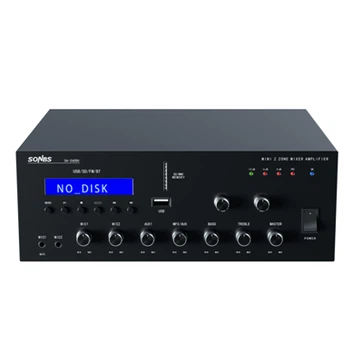
![SA-40DU SA-80DU Karaoke Mixer Amplifier]() SA-40DU SA-80DU Karaoke Mixer AmplifierMINI Mixer Amplifier With USB//FM/Bluetoothread more
SA-40DU SA-80DU Karaoke Mixer AmplifierMINI Mixer Amplifier With USB//FM/Bluetoothread more
SA-40DU SA-80DU -
![SA-1000W SA-1500W SA-2000W Power Amplifier]() SA-1000W SA-1500W SA-2000W Power AmplifierCrafted with a sleek, standard 3U cabinet, this amplifier combines a human-centric design with exquisite craftsmanship for a premium look that complements any professional audio setup.read more
SA-1000W SA-1500W SA-2000W Power AmplifierCrafted with a sleek, standard 3U cabinet, this amplifier combines a human-centric design with exquisite craftsmanship for a premium look that complements any professional audio setup.read more -
![SA-4013 32-Output Expansion Matrix]() SA-4013 32-Output Expansion MatrixIt uses touch buttons and one-touch shuttle operation, 192*64 large-screen LCD display, and an operation menu that combines Chinese and graphics, which is simple and convenient to operate.read more
SA-4013 32-Output Expansion MatrixIt uses touch buttons and one-touch shuttle operation, 192*64 large-screen LCD display, and an operation menu that combines Chinese and graphics, which is simple and convenient to operate.read more -
![SA-1018 Broadcast Arrester]() SA-1018 Broadcast ArresterStandard cabinet design (2U), black aluminum oxide brushed panel, humanized handle, exquisite craftsmanship, full of high-end temperament.read more
SA-1018 Broadcast ArresterStandard cabinet design (2U), black aluminum oxide brushed panel, humanized handle, exquisite craftsmanship, full of high-end temperament.read more -
![SA-1015 12-Way Monitor]() SA-1015 12-Way MonitorStandard cabinet design (2U), black aluminum brushed panel, humanized handle, exquisite craftsmanship, showing high-end temperament.read more
SA-1015 12-Way MonitorStandard cabinet design (2U), black aluminum brushed panel, humanized handle, exquisite craftsmanship, showing high-end temperament.read more -
![SA-1002 12-Channel Partition Matrix]()
-
![SA-2200 SA-2300 Stereo Amplifier Home Amplifier]() SA-2200 SA-2300 Stereo Amplifier Home AmplifierIt is Muti-source stereo audio amplifier, 4-8Ohm output, it can connect to 4-16Ohm speaker, suitable for home usage, church, coffee shop, restaurant etc.read more
SA-2200 SA-2300 Stereo Amplifier Home AmplifierIt is Muti-source stereo audio amplifier, 4-8Ohm output, it can connect to 4-16Ohm speaker, suitable for home usage, church, coffee shop, restaurant etc.read more -
![SA-480 SA-4120 SA-4250 Stereo Amplifier]() SA-480 SA-4120 SA-4250 Stereo AmplifierIt is Muti-source stereo audio amplifier, 4 Channel 4-8Ohm output, it can connect to 4-16Ohm speaker, suitable for home usage, church, coffee shop, restaurant etc.read more
SA-480 SA-4120 SA-4250 Stereo AmplifierIt is Muti-source stereo audio amplifier, 4 Channel 4-8Ohm output, it can connect to 4-16Ohm speaker, suitable for home usage, church, coffee shop, restaurant etc.read more -
![SA-260DU SA-2120DU SA-2180DU Mixer Amplifier Professional]() SA-260DU SA-2120DU SA-2180DU Mixer Amplifier Professional2-Zones Mixer Amplifier With USB/SD/FM/Bluetoothread more
SA-260DU SA-2120DU SA-2180DU Mixer Amplifier Professional2-Zones Mixer Amplifier With USB/SD/FM/Bluetoothread more
SA-260DU SA-2120DU SA-2180DU -
![SA-30DU SA-60DU Mini Mixer Amplifier]() SA-30DU SA-60DU Mini Mixer AmplifierMINI Mixer Amplifier With USB//FM/Bluetoothread more
SA-30DU SA-60DU Mini Mixer AmplifierMINI Mixer Amplifier With USB//FM/Bluetoothread more
SA-30DU SA-60DU -
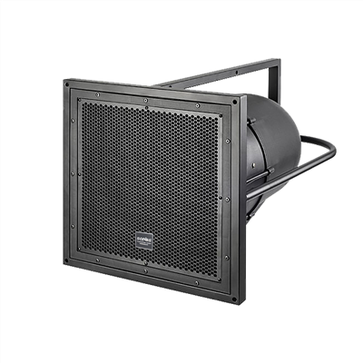
![SA-7150 SA-7300 SA-7400 Remote Horn Speaker]()
-
![SA-7100 Horn Speaker Outdoor]()




Why Choose Us
Our Certificate
ISO, CE, ROHS, EIMSC, CCC, CFSC.
Factory strength
SONBS Owns 3 Factories, 1 Marketing Technology Service Center And Over 15 Sub-Office.
Professional Team
Our professional engineer team will help partners to make turn-key solution for projects, improve solution until the customer is satisfied, and answer all technical questions.
Provide technical training
Our professional engineer team can offer technical training and guide the customer to install equipment, for big project, we can send engineer on site to guide the installation.
What is PA System
Public address systems-or PA systems-are specially designed mixer, amplifier, and speaker combinations used to communicate with an audience. Typical speakers like portable Bluetooth® speakers are used to simply play back prerecorded audio, like streaming music. So, what is a PA system, exactly, and how is it different? PA systems are more advanced than regular speakers, as they can enable live sound for multiple audio sources and can blend and amplify these sources to achieve a unified mix.PA systems come in a wide range of shapes and sizes and are used for amplifying sound in large arenas and clubs as well as in small venues. They're perfect for live bands, intimate acoustic sets, DJ sets at a PArty or bar, spoken word or poetry performances, lectures, speeches, and more.
Benefits of PA System
Ambient Noise Reduction
Hospitals and medical facilities are often bustling with activity, which can create a noisy environment. Over-reliance on overhead paging can contribute to this noise, potentially causing stress to patients and hindrance in staff communication.Modern PA systems can be integrated with sound masking technology to minimize this ambient noise. Sound masking can help in creating a more calming environment for patients and a more focused atmosphere for staff.
Tailored Messaging and Zoning
Advanced PA systems allow for zoning capabilities, meaning messages can be targeted to specific areas of the facility. This is particularly useful in large hospitals where different wings or floors may have different communication needs.For instance, announcements relevant only to the maternity wing can be restricted to that area, avoiding unnecessary disturbance in other parts of the facility. This zoning feature also enhances privacy by ensuring that sensitive information is not broadcasted facility-wide.
Cost-Effectiveness and Integration
While the initial investment in public address systems & loudspeaker may seem substantial, it is cost-effective in the long run. By improving communication and efficiency, it reduces the need for redundant staffing and minimizes the risk of costly errors or oversights.Furthermore, modern PA systems can be integrated with other facility systems such as fire alarms and security systems, providing a comprehensive safety and communication solution.
Compliance with Health Standards and Regulations
Healthcare facilities are subject to strict regulations regarding safety and emergency preparedness. A well-designed PA system can help a facility meet these regulatory requirements by ensuring that critical communication, especially during emergencies, is clear and effective.
Staff Coordination and Efficiency
In a medical setting, coordinating staff quickly and efficiently can be a matter of life and death. A PA system enables the instant summoning of medical personnel for emergencies, such as a code blue in a hospital, where a patient requires immediate resuscitation.This rapid response capability can be the difference between a successful recovery and a medical tragedy. Additionally, it facilitates the efficient allocation of resources, as staff can be redirected to areas of the facility that are experiencing high patient volumes or emergencies.
Types of PA System
The Point-Source Installed System
This system typically utilizes mixers, digital signal processors, full range stereo speakers, and large subwoofers depending on the intent. This type of setup is extremely useful in reinforcing speech and music for indoor or outdoor venues. A well-designed system accounts for room deficiencies including odd shaped rooms, hard floors, or rooms with high ceilings, which can make the primary listening area too reflective and cause feedback or unintelligible speech. Typically, this type of PA system is found in public gathering areas, meeting rooms, houses of worship, live theater, college athletic fields, and school gymnasiums.
The Distributed Sound System
Often, this is referred to as a distributed 70V or 100V system and can utilize multiple ceiling mono speakers or horns that are connected with long speaker trunks. This system is customarily designed for vocal public address announcements, but can additionally be used for background music in hallways or lobbies. It is very flexible and cost-effective to install due to the requirement of only one trunk wire for large amounts of speakers. Volume controls can be installed to adjust certain speakers. However, it is important to realize this is not a foreground system and has some constraints, including limited frequency range and limited bass reproduction capabilities. When there are large amounts of speakers that are required to cover a large square foot of area, this is the perfect system. Nowadays, PA Systems have become so flexible that it is possible to integrate them into your IP network. This is a perfect system when large amounts of speakers are required to cover a large square foot of area.
The Portable Sound System
This is the system that many think of when one mentions PA Systems. The system is portable in design, resulting in an easy setup and break down, making aesthetics secondary. It commonly includes a mixer amplifier, speakers mounted on portable tripods, and various wired or wireless microphones. This type of system is still a significant option. Unfortunately, most of the time there will be problems that are never addressed, which limit how well the system can perform, along with the quality of the sound. This system is perfect for those who need a quick solution for pop-up events with a limited budget. These setups are most often found in DJ events, community centers, outdoor fairs, wedding receptions and large business meetings.
Application of PA System
Schools
You can time your school bells or daily announcements with the Music Timer, so you can carry on with your responsibilities with the assurance that all your needed audio files will be played. Likewise, you have the option to record your voice to MP3 files and play them afterwards when the announcement must be made as soon as possible. Moreover, kids can produce their own radio broadcasting show in the school by learning how to simply operate the microphone. Paging and PA Systems are also immensely convenient during emergency situations wherein everyone must be alerted immediately.
Music
Enliven the mood of the workplace by playing music with the Music Timer. Plug in an MP3 player, and see how your playlist for the day helps in making employees more productive and positive in their work performance.
Offices
Back up the inter-office memos to make sure that the information has been disseminated correctly and at the right time. Announce your message as an urgent reminder for all employees.
Emergencies
Support your Fire Detection and Alarm System with your audio system, so you can give feedback/response to the people in a certain area to remain calm and evacuate. You can also have your pre-recorded files for emergencies to play when the situation demands it.
Large venues
Whether it you are planning athletic events in stadiums or gatherings and movements in an outdoor venue, use your audio system to rise above the external noise and produce your message as audibly as possible for every individual. One slight error in delivering the message can alter its meaning or urgency. Also, give more excitement and dynamics to competitions by joining both music and speech while announcing the winners. Give your instructions clearly as well at the start of a sporting event to avoid misinterpretation or lack of communication.
Components of PA System

Microphones and cables
The more channels your PA has, the more microphones you'll need. Dynamic cardioid mics are best for live performances. You'll also need lots of cables for your instruments, microphones, and speakers. Depending on how you set up your PA and the size of the venue, you may need speaker cables that are at least 40 feet long.

Speaker stands
Speaker stands or tripods are also a great investment. Speakers situated up high offer a superior sound quality with less feedback. Some PA systems like this Peavey 100W package even come with speaker stands.

Monitors
Finally, you may be asking, “If my PA speakers are up high and off to the side, how can I hear myself?” You need stage monitor speakers. Monitors like the VocoPro STAGE MAN 1 are floor-placed, powered speakers that project your PA's final mixed sound back at you. Hearing yourself during a performance is critical, but most PAs do not come with stage monitors or powered speakers. Make sure you have some so the whole band knows where you are.
Size matters
As with anything, it makes sense to identify your requirements before you start splashing the cash. After all, the needs of a solo singer-songwriter playing a few tunes in the local coffee shop will be wildly different to a professional wedding band, so you should cut your cloth accordingly. The first consideration will be around how much power you will need. Power, in this context, equates mostly to volume but there's more to choosing a PA system than wondering how loud it can get.The standard measurement of power in a PA system is watts and, in the same way as a 100w guitar amplifier is total overkill for a small venue, choosing a PA with a ridiculously high wattage adds unnecessary cost and bulk to your rig.
Cables and compatibility
The final point to consider is the multitude of connectivity options, and which ones are best for you and the equipment you use. This will be dictated largely by the mixer, so it is worth getting to know the different features and functionality aspects of your chosen model.Typically, there are four main connection options you'll find. Microphones are commonly connected using XLR cables, which carry a balanced signal and can provide 48V phantom power for condenser microphones. You'll also find smaller systems may use XLR connectivity between the mixer and the speakers themselves. ¼” jack cables, like those used for guitars, are fairly common but are usually unbalanced so can be susceptible to noise, particularly over long distances.
Versatility
Something worth considering is the potential future requirements of your PA system. While you might be a certain sized band, with a fairly consistent setup, it's always good to keep your options open in terms of how you might wish to grow or develop. Bigger venues, new band members, different equipment; there's all kinds of ways your needs might change so it's important you choose a PA system that can evolve with you.Adding additional speakers is a simple enough way to expand your system, but is dependent on certain things like the mixer and if you have enough spare outputs to facilitate the extra gear. Likewise, adding extra microphones will require additional XLR inputs, so be sure to choose a system that will allow you to grow.
Cost
As we mentioned above, buying your first PA system doesn't necessarily elicit the same excitement as choosing a new guitar amplifier, for example, but it is still an important ‘milestone' purchase. As with anything, your budget will dictate a few things, notably the power rating of the system you choose, along with the number of connectivity options and the overall sound quality. But, all things considered, the PA is the vehicle through which your audience will hear you so it's worth spending as much as you can afford to get the right one for you.
How Does Pa System Work

Mics
Ok, let's get down and nerdy. Starting from top to bottom there are two popular microphone types used by tech companies. Both rely on a group of coils within the microphone called the diaphragm to interact with sound waves to produce an electrical current. Dynamic Microphones create this current when the diaphragm interacts with surrounding magnets. Condenser Mics have external power sources that produce an electrical charge between the diaphragm and an internal metal plate. The diaphragm in a condenser mic vibrates when struck by sound waves. This results in the coils moving back and forth, changing the distance between it and the metal plate, and creating a sound flow.

Mixers
From the mic, the sound is put into a mixer. The way the sound travels can vary whether it is digital or analog. Mixers, also known as audio mixers or mixing consoles, vary greatly in size and abilities, but serve the same purpose: to make the sound waves come out of the speakers the way they are intended. Mixers can balance our ensembles, clear the tone of a speaker, add effects, and even combine prerecorded sounds with live performances. We could go on all day about mixers and trust me I have before. For our purposes here though, let's just stick with the basics. Mixers are a) cool, b) required for PA systems. Portable PA systems like the Megavox 2 have the mixer built into their speaker units. Just because you can't see them, doesn't mean they aren't there.

Speakers
There are two main speaker types to start. Powered, also known as active speakers, have a built-in amplifier. Think of this as an all-in-one system. All you need is an external power source like a battery, and little understanding of how PA systems work. Unpowered, or passive speakers, need external amps and mixers to power them. They also require cables, cutting back on their portability. No matter which type of speaker you chose, they both convert the electric energy, or the electric current, into motion, or sound waves. This change in energy is achieved by the current within a speaker interacting with coils and magnets, producing pressure and vibration that we know as sound.
How to Maintain PA System
Keep Dust Away
Dust gets everywhere and ruins everything. Especially electronics. It will get into the wire connectors and stop electrical signals from being perfectly transmitted. This creates static in your speakers which will end up sounding like a crackling.The measures you can take against dust aren't expensive or difficult either, so it's worth getting on top of. You should firstly keep your speakers out of a space that accumulates lots of dust. Then, all you need to do is regularly wipe the speakers down or dust them off. Make sure, however, you don't use any liquids. This can damage your speakers more. Be sure not to damage the cone drivers or the tweeter too.
Keep Heat Away
PA system, especially good-quality ones, are very sensitive to heat. You should keep them far out of direct sunlight & windows. They can get damaged quickly in sunlight, especially if they aren't built to deal with heat exposure. The electromagnetic voice coils can get damaged, which is important for keeping electrical flow between the source and speakers.
Keep Wary of Static Electricity
Another common enemy of PA system is static electricity. When this builds up it can burn your system out. A way to prevent this is to buy some anti-static mats that go on your floor and reduce the static that builds up. A humidifier would be great too as dry air can increase static electricity build-up (be careful not to put it too close to your speakers though).
Keep them Well Ventilated
Ensuring your PA system have a good amount of airflow is important as it helps them keep cool while they are playing which of course gets them hot. People that love speakers will tell you that sometimes you'd even point fans at your speakers to keep them cool while playing loudly. You can also arrange your setup to support proper airflow too by keeping your speakers away from the walls and tight spaces.
Our Factory
SONBS owns 3 factories, 1 marketing technology service center and over 15 sub-office ,covering a total area of more than 50,000 square meters. We have 50 R&D engineers, 100 pre-sales and after-sales technicians, 250 sales and 200 assembling workers, all totally about 600 employees.


certificate


FAQ
As one of the most professional pa system manufacturers in China, we're featured by quality products and good service. Please rest assured to buy customized pa system at competitive price from our factory.